In a world increasingly aware of environmental issues, household recycling has become an essential practice. While government and corporate initiatives play an important role, individual responsibility cannot be underestimated. Below is a clear and practical guide to help you transform your home into a true sustainable oasis.
1. Know Your Waste
The first step toward effective recycling at home is understanding which materials can be recycled.
Sort your waste into:
- Paper and cardboard
- Plastic
- Glass
- Metal
Check your local regulations to ensure you recycle according to your municipality’s guidelines.
2. Create a Recycling Area in Your Home
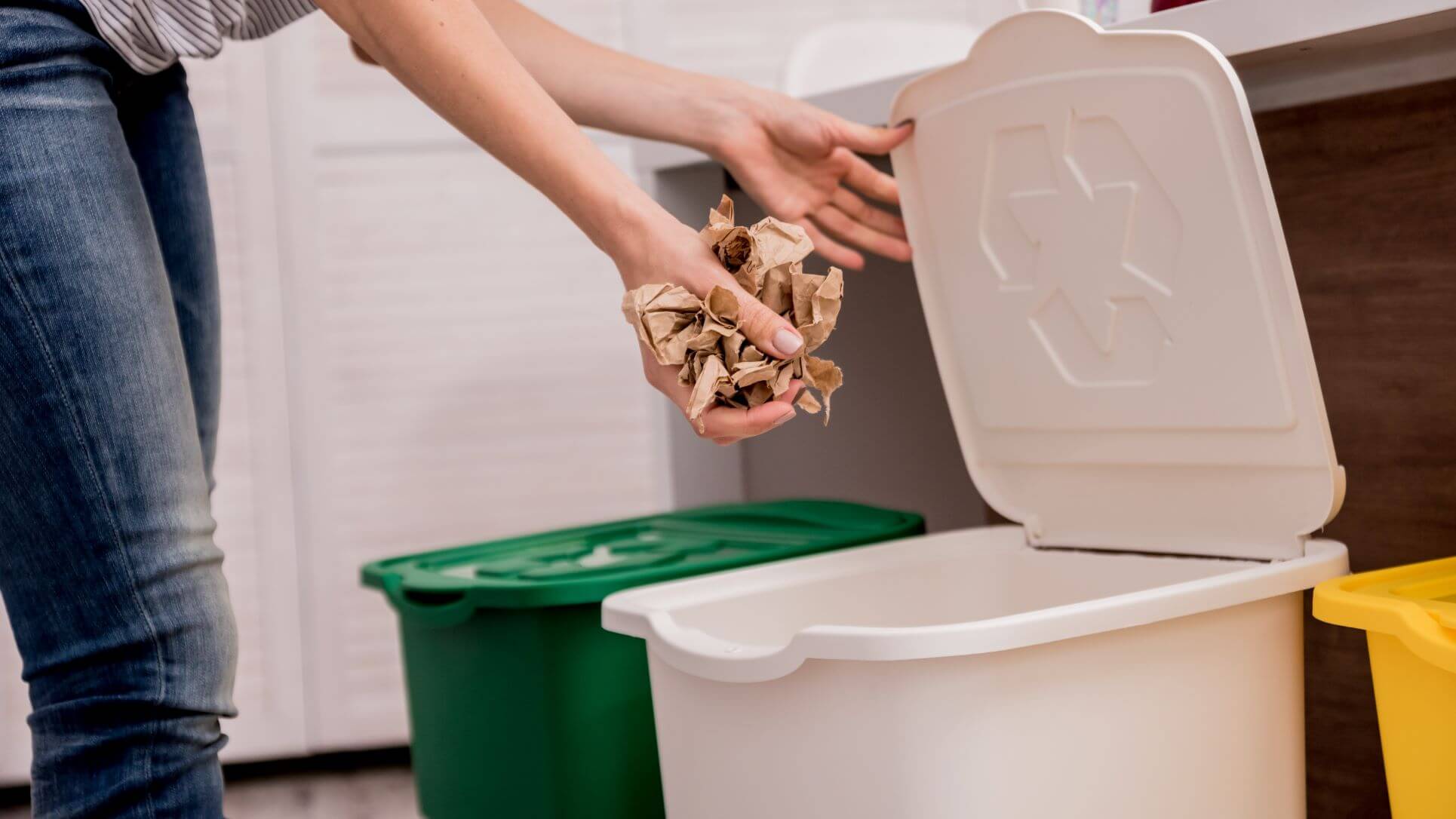
Set up a dedicated space for recyclable materials. You can use:
- Labeled bins or baskets
- Reusable bags for each waste category
- A small “green station” in your kitchen, patio, or garage
Having a defined area prevents recyclable items from ending up in regular trash.
3. Before Recycling: Reduce and Reuse
The best waste is the one that isn’t created. Before thinking about recycling:
- Choose products with reusable or recyclable packaging
- Prefer bulk purchasing when possible
- Find creative ways to give containers and objects a second life
Reducing and reusing significantly decreases waste production and improves recycling efficiency.
4. Compost Organic Waste
Kitchen scraps like fruit peels, vegetable remains, coffee grounds, and eggshells can become excellent homemade compost.
Benefits of composting:
- Significantly reduces household waste
- Produces nutrient-rich fertilizer for your plants and garden
- Closes the natural lifecycle of organic matter
5. Participate in Local Recycling Programs
Find out what options your community offers:
- Door-to-door recycling collection
- Local drop-off centers or recycling stations
- Special programs for batteries, electronics, or used oil
Participating in these initiatives strengthens your home recycling efforts and helps improve your community’s sustainability.
6. Educate and Involve the Whole Family
Household recycling is much more effective when everyone participates. Try:
- Teaching children and adults how to separate waste properly
- Posting simple guides or color-coded instructions
- Celebrating progress, like reducing your weekly trash volume
Every small habit contributes to lowering your home’s carbon footprint.
7. Use Technology to Your Advantage
Many apps and online resources can help you:
- Identify recyclable materials
- Locate nearby recycling centers
- Receive tips on sustainable living and responsible consumption
Technology makes daily recycling easier and more consistent.
Extra Tips for Recycling at Home
- Place recycling bins in strategic areas of your home (kitchen, home office, laundry room).
- Talk with family and friends about why recycling matters.
- Choose products that are recyclable or made from recycled materials to support the circular economy.
By following these steps, your home can become a true sustainable oasis where household recycling is part of your daily life and contributes to protecting the planet.