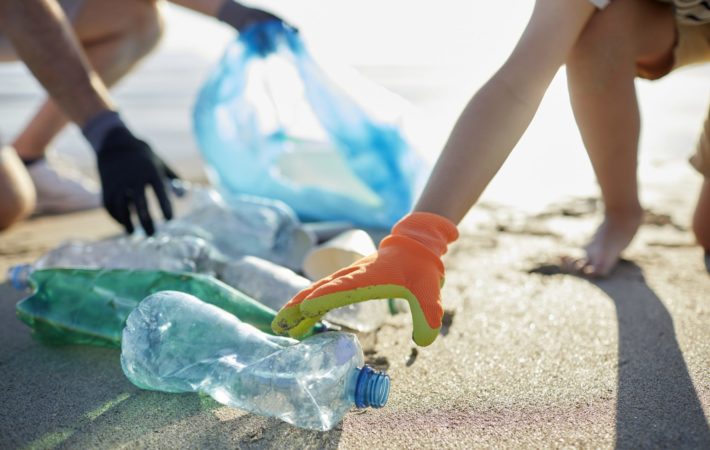
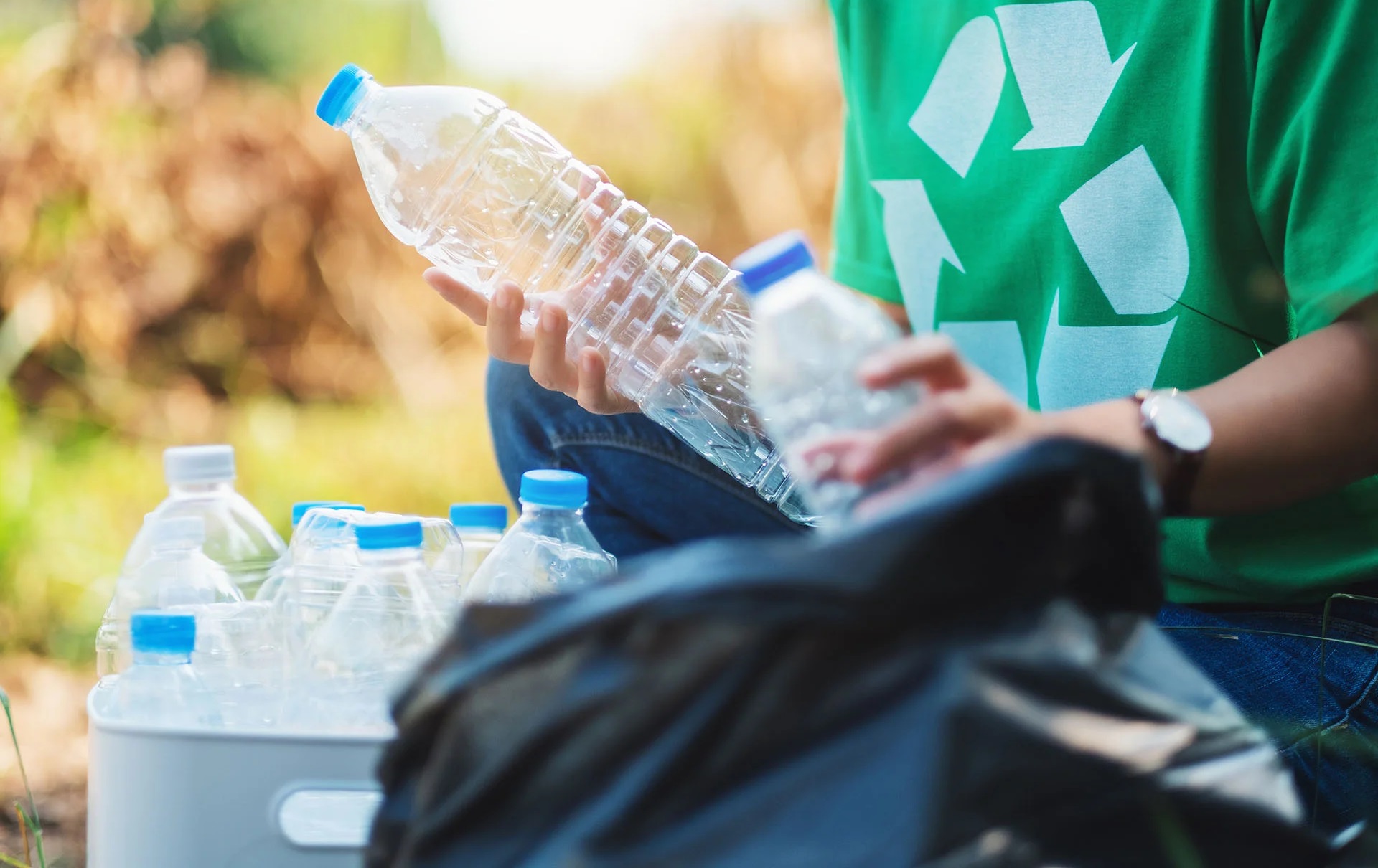
Plastic is a versatile material used in a wide variety of products, from packaging to toys. However, it is also highly polluting and can take hundreds of years to decompose. That’s why recycling plastic is essential to reduce its impact on the environment.
In general, recyclable plastics are divided into seven categories, each identified by a number inside a triangle of arrows. These codes are:
1. PET (Polyethylene Terephthalate)
Used in beverage containers such as water and soda bottles.
2. HDPE (High-Density Polyethylene)
Used in food containers like milk and oil bottles.
Also used in toys, bins, and pipes.
3. PVC (Polyvinyl Chloride)
Used in food packaging such as plastic bags and oil bottles.
Also found in toys, pipes, and window frames.
4. LDPE (Low-Density Polyethylene)
Used in plastic bags, wraps, and garbage bags.
5. PP (Polypropylene)
Used in food packaging such as yogurt cups and meat trays.
Also used in toys, automotive parts, and electronic components.
6. PS (Polystyrene)
Used in food packaging like egg cartons and CD cases.
Also found in foam packaging, disposable cups, plates, and trays.
7. Others
Includes plastics that do not fit into the previous categories, such as composite plastics and engineering plastics.
Important Note
Not all plastics marked with these numbers are recyclable in all communities.
Check with your local municipality to know which types of plastic are accepted in your recycling program.
Additional Recyclable Plastics
Some packaging—especially food and beverage containers—combine plastic bodies with aluminum or metal lids.
In these cases:
 Always separate the lid from the container before recycling.
How to Recycle Plastic Correctly
To ensure plastics are recycled properly:
-
Wash and dry containers before placing them in the recycling bin.
-
Remove labels and any non-recyclable components.
-
Sort plastics by category whenever possible.
-
When in doubt, ask your local waste management service for guidance.
Recycling plastic is a simple yet impactful way to reduce pollution and conserve natural resources.
By recycling, we help protect the environment for future generations.
Tips for Recycling Plastics
 Sort plastics by type
This makes the recycling process more efficient.
Wash and dry plastics before recycling
Removes residue that could contaminate the material.
Remove labels and non-recyclable parts
If unsure how to recycle something, consult your local municipality
By recycling plastics, we can all contribute to protecting the environment and promoting a cleaner, more sustainable future.