
Introduction
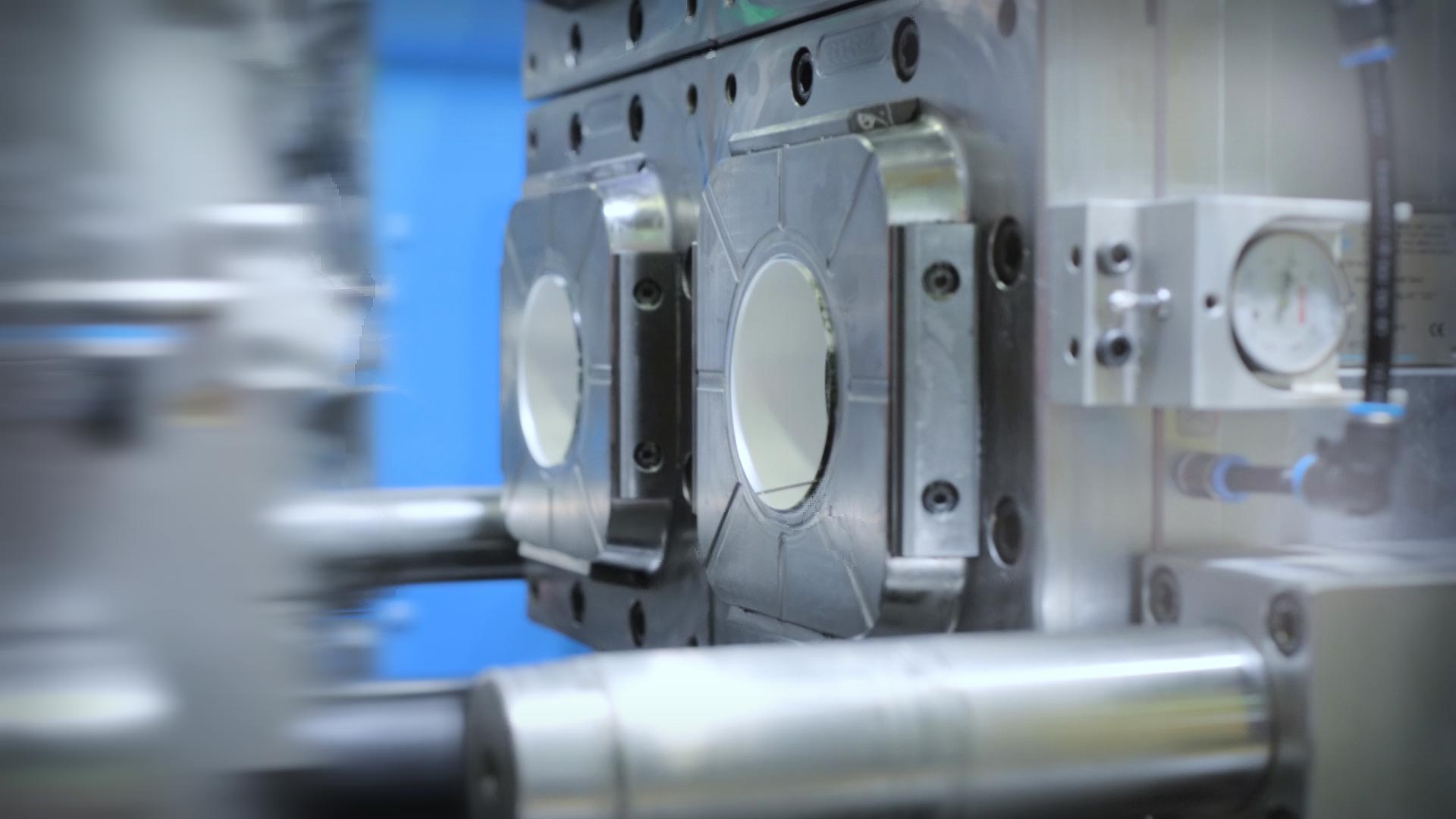
In the fascinating world of modern manufacturing, plastic injection machines have emerged as pivotal tools for the efficient and precise production of a wide variety of products. These machines have revolutionized how companies create molds and other finished elements, offering benefits in speed, quality, and overall performance. In this article, we’ll take an in-depth look at plastic injection machines and their impact on the manufacturing industry.
1. Operating Principles: How Injection Molding Works
Plastic injection molding is a highly efficient process. To begin, the process starts by feeding plastic pellets into a heated chamber, where they are melted to form a liquid resin. This molten plastic is then injected at high pressure into a steel mold that shapes the final product.
As a result, manufacturers can produce identical pieces with exceptional precision and minimal waste.
H3 – The Role of Heat and Pressure
During this step, the mix of heat and high pressure allows the resin to fill even the most detailed mold cavities.
Consequently, this enables the fabrication of highly intricate plastic components.
2. Wide Range of Applications: From Toys to Automotive Components
One of the main advantages of injection molding is its remarkable versatility. For example, it is used to produce automobile parts, medical devices, consumer goods, and even complex electronic housings.
In addition, the stability and reliability of the process ensure high-quality, repeatable results.
H3 – Precision for High-Demand Industries
Industries such as automotive and healthcare require extreme accuracy. Injection molding provides the level of precision needed to manufacture durable, consistent, and safe components—something essential for these sectors.
3. Automation and Process Control: Efficiency at Every Stage
Automation plays a crucial role in modern injection molding processes. Today, most machines incorporate advanced sensors, automated cycle controls, and continuous monitoring systems.
Therefore, companies can achieve improved productivity, reduced labor, and lower operating costs.
H3 – Benefits of Automation
- Faster production cycles
- Reduced human error
- Greater energy efficiency
- More consistent part quality
4. Sustainability and Recycling: A Complete Approach
Sustainability has become a key focus in the plastics industry. Because of this, injection molding machines have evolved to promote waste reduction and recycling. Manufacturers can reuse leftover material, optimize material consumption, and implement eco-efficient technologies.
H3 – Innovation in Eco-Friendly Materials
New biodegradable and recyclable plastic materials are being incorporated into injection molding, which in turn supports greener manufacturing solutions.
5. Challenges and Future Innovations in Plastic Manufacturing
Despite their advantages, plastic injection machines also face challenges, especially regarding environmental impact and material limitations. However, ongoing research and development continue to address these barriers through smarter systems, advanced materials, and energy-efficient processes.
H3 – What the Future Holds
Future innovations promise:
- Smarter molds and predictive technology
- Better temperature and pressure control
- Integration with AI for real-time optimization
- More sustainable materials and processes
Conclusion
Plastic injection machines have transformed modern manufacturing by offering unparalleled speed, precision, and versatility. Today, they enable companies to successfully compete in a global market and to produce high-quality, consistent products.
In summary, as industries evolve toward cleaner and more efficient production, plastic injection machines will remain key players in 21st-century manufacturing—shaping the future of efficient and responsible production.