
Introduction
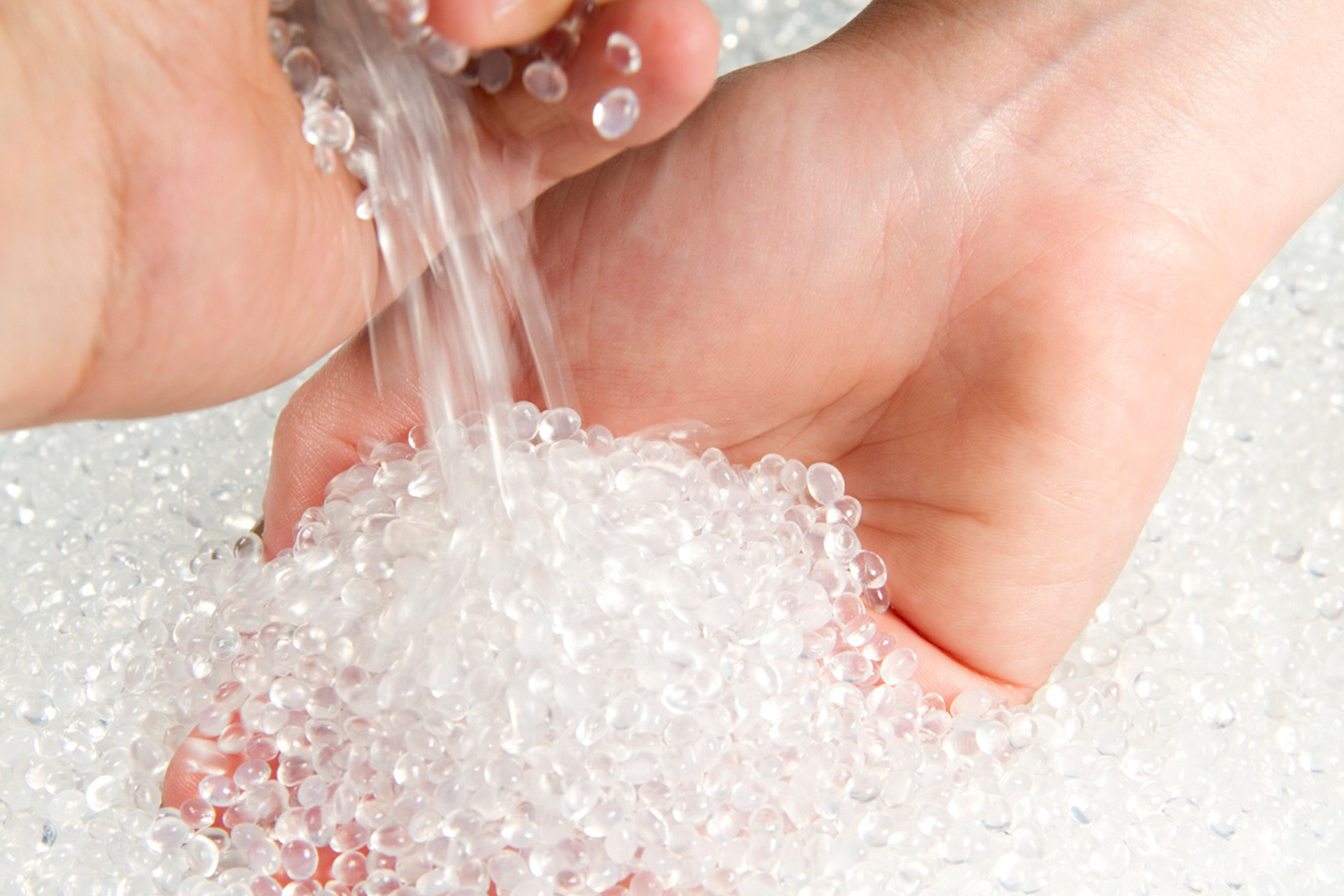
PP homopolymer is a thermoplastic material obtained through the polymerization of propylene. Thanks to its combination of mechanical, chemical, and thermal properties, it has become a widely used material in modern industry.
In this article, we will analyze its most important characteristics, its main applications, and its contribution to sustainability.
This material is known for being rigid and offering excellent thermal resistance.
For this reason, it provides high mechanical strength, making it ideal for applications that require force, stability, and durability.
H3 – Examples of use in demanding applications
- Food and beverage packaging capable of withstanding heavy loads and temperature variations.
- Automotive parts that must resist vibrations, impacts, and extreme weather conditions.
Consequently, PP homopolymer is widely used in sectors where structural resistance is essential.
Chemical Properties: Safety and Stability
PP homopolymer is a non-conductive material and offers good chemical resistance.
Therefore, it is particularly suitable for applications that require electrical safety or direct contact with sensitive substances.
H3 – Typical applications
- Electronic components such as housings and connectors, where preventing electrical discharge is essential.
- Pharmaceutical packaging that must remain free of impurities and contamination.
Ultimately, its chemical properties make it a reliable and safe material.
Main Applications of PP Homopolymer
This material is used in many industries due to its versatility. Below are some of the areas where it stands out the most:
H3 – Packaging
PP homopolymer is widely used in food, beverage, and pharmaceutical packaging.
It is also food-safe and chemically resistant, making it suitable for manufacturing:
- Water bottles
- Plastic bags
- Protective wrappers
H3 – Automotive
In this sector, PP homopolymer helps reduce vehicle weight thanks to its lightness.
It is used to manufacture:
- Bumpers
- Dashboards
- Interior panels
H3 – Electronics
In electronics, its main function is to provide insulation and protect components.
For example, it is used to manufacture:
- Phone housings
- Computer housings
- Plastic connectors and accessories
Recycling: Contribution to Sustainability
PP homopolymer is recyclable, allowing it to be reused to manufacture new products.
As a result, recycling it helps:
- Reduce pollution
- Decrease the use of raw materials
- Conserve natural resources
It can be transformed again into packaging, automotive parts, and electronic components.
Material Improvements and Variations
The properties of PP homopolymer can be modified to suit specific uses.
H3 – Mechanical Reinforcements
Adding mineral fillers or fibers—such as fiberglass—increases the material’s stiffness and strength.
H3 – Chemical Modifications
The use of plasticizers reduces stiffness and improves flexibility, ideal for flexible packaging or softer applications.
H3 – Medical Applications
In the healthcare sector, PP homopolymer is also used in specialized products:
- Heart valves
- Hip prostheses
- Plastic implants
Material Extensibility
PP homopolymer can be transformed into a wide variety of products, from everyday items—such as bags and bottles—to complex industrial components.
Thanks to its processability and low cost, it remains a very attractive option for multiple sectors.
Conclusions
PP homopolymer is a versatile, resistant, and safe material, with applications in industries as diverse as automotive, electronics, packaging, and medicine. This polymer is characterized by its strength, versatility, and low cost.
You can also read our article on plastic recycling, where we explain how to reduce waste and make use of materials like PP homopolymer:
👉 https://interplastsv.com/reciclaje-de-plastico-un-compromiso-vital-para-el-medio-ambiente/
For additional technical information on PP homopolymer, you can consult the Polypropylene entry on Wikipedia:
👉 https://es.wikipedia.org/wiki/Polipropileno
In summary, its recyclability and adaptability make it a key ally for sustainability and industrial innovation.